Disabled refuge systems are a key part of legal compliance in the UK. Especially for non-domestic buildings with more than one storey, they have become essential. The UK government has implemented many regulations and requirements for these systems. These are the guidelines for every business who plan on implementing refuge systems.
In this blog, we discuss the key requirements for disabled refuge systems. We break down each step and explain how each contributes to the success of the system. We also bring key UK regulations that make these systems essential for businesses.
Key Legal and Safety Requirements
The requirements below are the standard way of implementing refuge systems. Follow these guidelines for maximum results.
Applicability
Required in new, non-domestic buildings with more than one floor. These include schools, offices, and commercial premises. Public locations like theatres, cinema, and concert halls as well. Buildings like hospitals, care homes, and hotels are also required.
Purpose
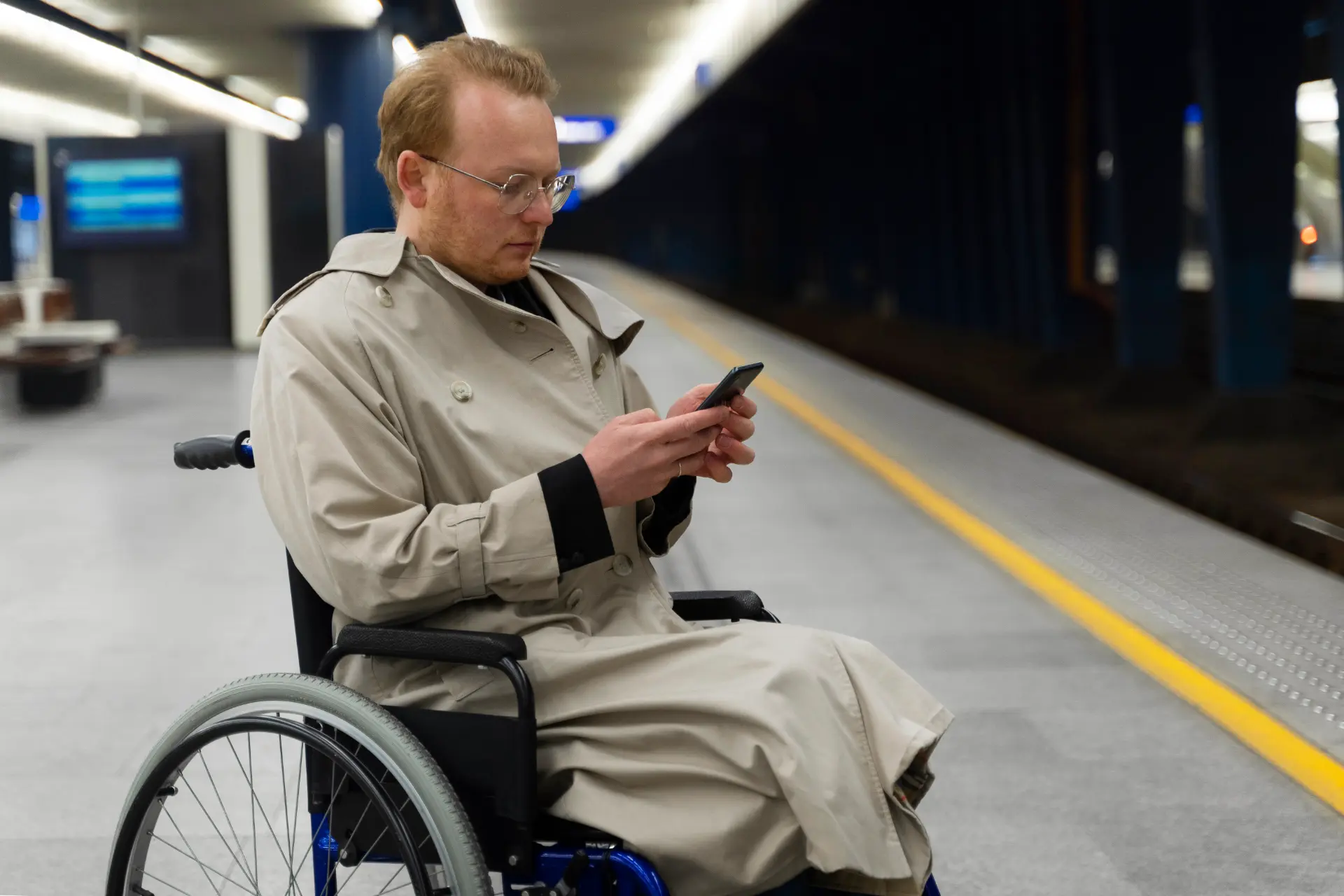
The main purpose is to provide a safe area for the disabled to wait for assistance. This area protects them from smoke and fire until rescue. Precise location identification is a key benefit as well.
Communication
A two-way Emergency Voice Communication (EVC) system is essential. This allows occupants to communicate with building management or fire services. This feature is used to assure the disabled during fire threats and guide them.
Refuge Area Size
The minimum area required is 900mm×1400mm. This space is needed to occupy a wheelchair without blocking escape routes for others.
Power and Backup
Systems must be designed to operate at least 24VDC. This also requires a battery backup providing 24 hours of standby and 3 hours of operation during a power failure. This ensures connection and fire safety throughout the situation.
Existing older buildings may also need to meet these requirements.
Key Regulations
Regulatory Reform Order 2005 (RRO)
RRO requires workplaces to ensure safe evacuation for all employees. This includes requiring business owners to provide refuge areas for the disabled to wait until assistance is received. To receive compliance with this regulation, disabled refuge systems are ideal. They offer two-way communication abilities, which offer compliance with the means of escape stated in the RRO.
RRO also states that these systems must be maintained, serviced, and inspected regularly. This allows consistent performance.
BS 5839-9:2021
BS 5839-9:2021 states the essential code of practice for Emergency Voice Communication systems(EVC). It defines aspects like design, installation, commissioning, and maintenance. One of the core requirements mentioned is Type-B outstations for refuge stations. This requires ensuring two-way communication between these stations and the central control point.
Equality Act 2010
The Equality Act 2010 requires employers to ensure every person has equal accessibility to buildings. This means your workplace should not discriminate against anyone, especially the disabled. This act makes the disabled refuge systems essential for UK workplaces. These systems offer equal safety and evacuation during fire threats in multi-storey buildings.
Choose Reliability at Controlled UK
Controlled UK is the trusted security provider in the UK. We offer reliable fire and security solutions that meet all regulations. Explore our disabled refuge systems in the UK, one of our prominent solutions. Our systems are made sure to meet all regulations and are made to deliver the best performance as always. UK businesses have been trusting our services for years.
Join our satisfied clientele by choosing Controlled UK, your trusted fire and security company in the UK.